Shandong Vlink Pet Products Co., Ltd

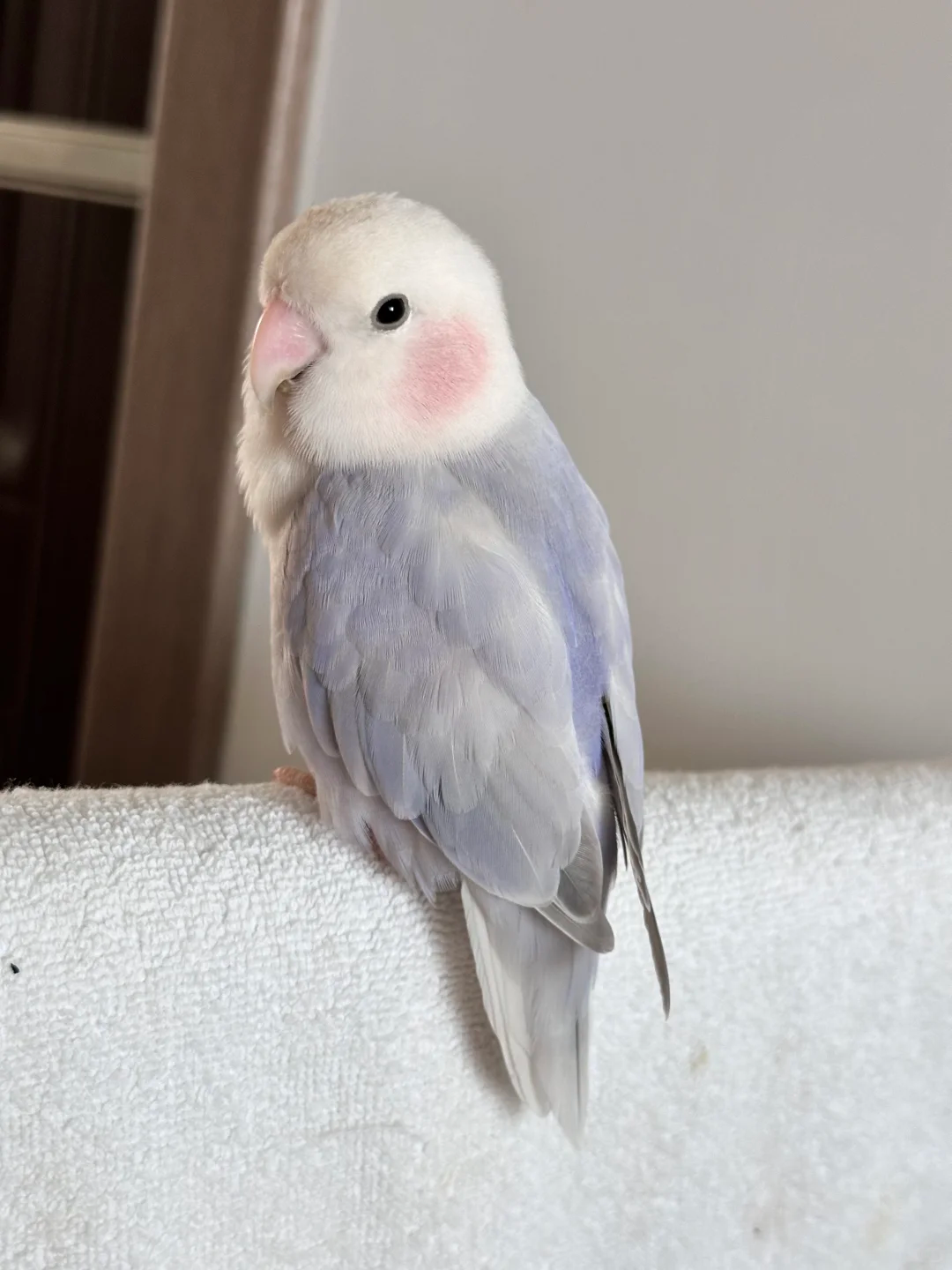 A baby bird, with its soft down feathers and bright, curious eyes, represents the beginning of a new life. These tiny creatures are full of promise, adventure, and the beauty of nature’s cycles. Whether you’re observing a chick fresh from its egg or nurturing a fledgling learning to fly, the journey of a shiny-feathered baby bird is one of transformation, wonder, and care. In this article, we’ll explore the early stages of a baby bird’s life, from its vulnerable hatchling days to the moment it takes its first flight.
The Early Days: From Egg to Hatchling
The story of every bird begins in an egg, a small, fragile package containing the promise of life. After days or weeks of incubation, depending on the species, the egg begins to crack, and the first signs of life emerge. For many species, this is the most critical time, as the hatchling is entirely dependent on its parents for warmth, food, and safety.
Once the baby bird breaks free from its shell, it enters the world as a hatchling. At this stage, the bird has little more than soft, fine down feathers covering its body. These feathers are not yet the shiny, vibrant plumage that will define the bird’s adulthood but are crucial for warmth and protection. The hatchling’s eyes may not be open right away, and its movements are often slow and uncoordinated, but its instincts are strong.
Feeding and Bonding
In these early days, the parent birds play a crucial role in feeding and nurturing their young. Most baby birds are fed a specialized diet that is rich in protein to support their rapid growth. The parents will typically regurgitate food to their chicks, carefully placing it in their open mouths. As the hatchlings grow, they begin to develop stronger digestive systems and can handle a more diverse range of food.
The bond between parent and chick is incredibly strong at this stage, with the parents providing not just food but also protection and warmth. Baby birds are extremely vulnerable to predators, and the presence of the parents is vital for the safety of the nest.
The Feathers Begin to Shine: Transition to Juvenile Stage
As the baby bird matures, its down feathers are gradually replaced by more developed, shiny feathers. These feathers are often dull at first, but over time they begin to gain vibrancy. It’s during this phase that the bird starts to resemble its adult form, though the feathers are still growing and may appear slightly ragged.
This stage is marked by rapid physical development. The baby bird’s body begins to fill out, and it starts to gain the strength it needs to move around more confidently. The parents continue to provide food, but at this point, the bird begins to explore its surroundings, stretching its wings and testing its abilities.
Preening and Socialization
Preening is a vital activity that helps the bird develop its feathers properly and establish good hygiene. At this stage, the baby bird begins to preen its feathers, ensuring that they remain in good condition. The shiny feathers are still delicate, and taking care of them is essential for their development.
Socialization with its siblings and parents also plays an important role in this stage. Baby birds begin to practice social behaviors such as calling, responding to their parents, and learning from the older birds in their group. They may begin to mimic the actions of their parents and siblings, picking up essential survival skills that they will need as they grow older.
The First Flight: A Milestone in Growth
One of the most exciting and transformative moments in the life of a baby bird is when it takes its first flight. This moment is a culmination of all the physical and mental development that has occurred up to this point. The bird’s wings have grown strong enough to carry it into the air, and its coordination and confidence have developed to the point where it’s ready to soar.
For many species, the first flight is a challenging and slightly awkward event. The baby bird might take a few short, clumsy hops before it gains the courage to truly fly. Even so, the bird’s instincts drive it to keep trying, flapping its wings and gliding through the air. This transition marks the moment when the baby bird begins its journey toward independence.
Parental Support During the First Flight
Although the baby bird is now capable of flight, it often continues to rely on its parents for guidance and support during this critical period. Parent birds will continue to encourage their young by showing them how to forage for food, find safe places to rest, and navigate the challenges of the world around them. This period of dependency is essential for the young bird’s survival as it learns to thrive outside the nest.
The Shiny-Feathered Adult: From Vulnerable Hatchling to Independent Bird
After the first flight, the baby bird’s journey is far from over. The young bird continues to grow, both physically and socially, until it reaches maturity. The once-dull feathers have now become shiny and full of life, a reflection of the bird’s maturity. The bird is now an independent creature, capable of finding food, evading predators, and navigating its environment.
At this stage, the baby bird has become a full-fledged adult, ready to participate in the cycles of life that its parents once experienced. The bird may eventually find a mate and begin the process of raising its own young, continuing the cycle that began with a tiny, shiny-feathered hatchling.
Conclusion: The Beauty of the Shiny-Feathered Baby Bird
The journey of a shiny-feathered baby bird is a remarkable story of growth, care, and transformation. From its fragile beginnings as a hatchling to its first flight and eventual maturity, the life of a baby bird is a journey filled with wonder. Observing this process is a reminder of the incredible resilience and beauty of nature, and the ways in which even the smallest creatures can inspire awe and admiration.
Whether in the wild or in a carefully managed sanctuary, the sight of a baby bird spreading its wings and taking to the sky is one of the most beautiful moments in the natural world. These shiny-feathered babies remind us of the fragility of life, the importance of care, and the endless possibilities that await those who grow with patience, love, and guidance.